
Uncovering the truth behind gambling myths what you need to know
The Illusion of Winning Streaks
Many gamblers believe in the concept of winning streaks, thinking that once they start winning, the luck will continue. This is a dangerous myth. In reality, games of chance, such as slot machines and roulette, operate on random number generators, making each spin or deal independent of the previous one. This means that just because you won a few rounds does not mean you are more likely to win again. Understanding this principle can help gamblers make more informed decisions and reduce the emotional rollercoaster that accompanies the game, which ultimately enhances the overall experience at the best payid pokies.

Furthermore, the notion of a winning streak can lead to increased betting. Players might feel emboldened by past victories and wager more than they originally intended. This behavior can quickly spiral into significant losses, leading to regret and financial strain. Educating oneself about the randomness inherent in gambling can mitigate this risk and foster a healthier relationship with betting activities.
The focus should always be on entertainment rather than profit. Gambling should be viewed as a form of leisure, similar to going out for a meal or attending a concert. By understanding that winning is not guaranteed, players can enjoy their gaming experience without the pressure of needing to win back losses or chase after streaks.
The Myth of ‘Hot’ and ‘Cold’ Machines
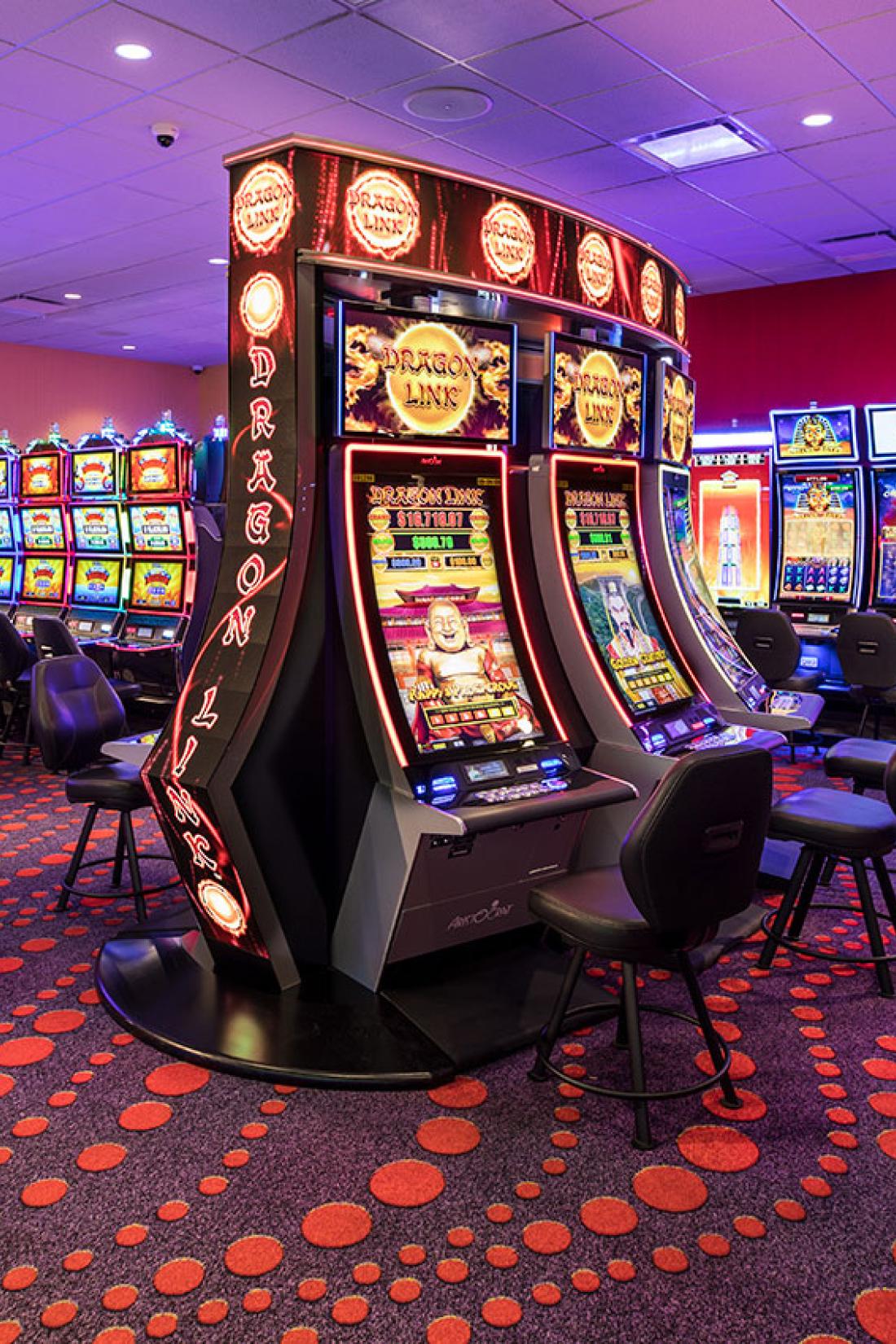
Another common myth among gamblers is the idea of “hot” and “cold” machines. Players often believe that certain slot machines are more likely to pay out based on past performance. This misconception leads many to waste time and money trying to find that elusive “hot” machine that will yield significant payouts. However, every spin on a slot machine is determined independently, and the outcome is random, regardless of the machine’s prior results.
This myth can create a false sense of strategy, enticing gamblers to linger at certain machines in hopes of a big win. However, it’s essential to recognize that casinos are designed to operate with a house edge, meaning that, over time, the odds will favor the casino. Gamblers must approach slot machines with a clear understanding of their odds and mechanics, rather than falling prey to the illusion of predictability.
Ultimately, embracing the randomness of slot machines can enhance the gambling experience. Instead of focusing on the idea of ‘hitting it big,’ players can enjoy the simple thrill of playing without the pressure of strategy. By debunking this myth, gamblers can engage more freely and responsibly in their gaming endeavors.
The Gambler’s Fallacy Explained
The gambler’s fallacy is a prevalent misconception where individuals believe that past events can influence future outcomes in random games. For instance, someone might think that if a coin has landed on heads several times in a row, tails is “due” to occur. This belief can lead to misguided bets, as every event in a game of chance remains independent. Understanding the gambler’s fallacy is crucial for anyone participating in gambling activities.
Many players fall victim to this fallacy in games like roulette or dice rolling, where they mistakenly think they can predict outcomes based on past results. This kind of reasoning can lead to chasing losses or making larger bets in hopes of recovering previous losses. Recognizing that each spin or roll is an isolated event can help players avoid falling into this trap, thereby making more rational and responsible betting decisions.
To combat the gambler’s fallacy, players should focus on strategy and bankroll management rather than attempting to predict outcomes. Knowledge about the games being played can also empower individuals, allowing them to enjoy gambling while minimizing risks associated with misguided betting based on false assumptions.
Understanding House Edge and Odds
A vital aspect of gambling that is often misunderstood is the house edge and how it affects players’ odds. The house edge refers to the mathematical advantage that casinos have over players, ensuring that, on average, the house will always come out ahead in the long run. Different games feature varying house edges, and understanding these can profoundly influence a player’s strategy and experience.
For example, table games like blackjack can have a lower house edge compared to slot machines. Players who are aware of this information can make smarter choices about which games to play. Familiarizing oneself with the odds and house edge associated with different games allows players to maximize their enjoyment and make informed decisions regarding their betting strategies.
Moreover, recognizing the house edge does not mean players should avoid gambling altogether. Instead, it encourages a more mindful approach to playing. Understanding that the odds are not in one’s favor can foster a more realistic perspective, allowing players to set limits, manage their bankroll, and focus on the entertainment value rather than solely on winning. This shift in mindset can create a more balanced and enjoyable gambling experience.
Resources for Responsible Gambling
In a world where gambling myths can lead individuals astray, it is vital to access reliable resources that promote responsible gambling. Many organizations focus on educating the public about gambling myths, offering insight into healthier gambling habits. These resources often include tools for self-assessment and strategies for managing one’s betting activities effectively.
Websites and organizations dedicated to responsible gaming provide valuable information about recognizing the signs of gambling addiction and offer support for those who may need it. By utilizing these resources, individuals can take proactive steps toward maintaining a safe and enjoyable gambling environment. This education enables players to enjoy their favorite games while recognizing the importance of moderation and self-awareness.
Encouraging responsible gambling is not only beneficial for individual players but also for the broader gaming community. By addressing myths and promoting education, a healthier gambling culture can emerge. This shift encourages players to engage with games in a fun, entertaining manner, enhancing the overall experience for everyone involved.