
The Nature of Casino Games
Casino games have captivated players around the world, serving as a form of entertainment that combines chance and strategy. From the flashing lights of slot machines to the intense atmosphere of poker tables, each game offers a distinct experience. The fundamental difference between these games often lies in the interplay of luck and skill, which shapes not only the outcomes but also the player experience. Many enthusiasts also explore australian betting sites for additional gaming options, while some games rely heavily on random outcomes, others reward strategic thinking and informed decision-making.
In understanding the nature of these games, it becomes evident that skill and luck serve different purposes. In luck-driven games like slots and roulette, the outcomes are dictated by random number generators or the spin of a wheel, making it impossible for players to exert influence over the results. Conversely, skill-based games like poker and blackjack reward those who invest time in learning strategies, calculating odds, and making strategic choices. This essential distinction impacts how players approach their gaming sessions and the expectations they have regarding winning.
Moreover, the balance of luck and skill can significantly influence the perception of fairness within the casino environment. Players who thrive on skill-based games enjoy a sense of control and empowerment, while those engaged in luck-focused games may experience frustration due to the unpredictability of results. As such, the nature of the games can shape a player’s overall experience, encouraging them to choose games that align with their personal strengths and gaming preferences.
The Influence of Luck
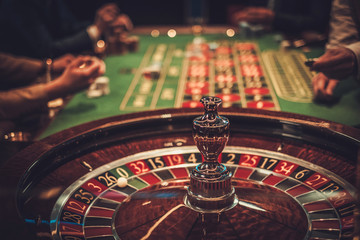
Luck is a central theme in casino gaming, acting as the unpredictable force that can transform ordinary moments into extraordinary successes. In games like roulette, luck prevails as players place bets on outcomes that are entirely random. This inherent unpredictability creates a thrilling atmosphere, where each spin can lead to unexpected rewards or losses. The excitement generated by these chance-driven games often draws players back, eager to chase the next lucky break.
Moreover, the psychological aspect of luck cannot be overlooked. Players frequently share stories of lucky streaks or monumental wins, reinforcing the allure of chance-based games. These narratives not only enhance the social element of gambling but also create a culture of hope and anticipation. The possibility of hitting a life-changing jackpot keeps players engaged, as they are reminded that fortune can favor anyone at any time. However, this reliance on luck can also lead to a rollercoaster of emotions, where highs are often followed by lows, highlighting the volatile nature of gambling.
While luck can lead to thrilling victories, it can also result in disappointment, especially for players who may not experience favorable outcomes after numerous attempts. Understanding the role of luck in casino games is crucial for setting realistic expectations and maintaining a healthy approach to gaming. Recognizing that luck can fluctuate can help players navigate their gaming experiences with a balanced mindset, blending the excitement of chance with the knowledge that outcomes are sometimes beyond their control.
The Importance of Skill
Skill plays a vital role in many casino games, especially those where strategic decision-making can influence the outcome. In table games like blackjack and poker, players who take the time to learn the rules, understand the odds, and develop strategies can significantly improve their chances of winning. This engagement with the mechanics of the game creates a more immersive experience, allowing players to feel a sense of accomplishment as they refine their skills over time.
The competitive nature of skill-based games fosters a community of players who value knowledge and expertise. For instance, seasoned poker players often employ various strategies, such as bluffing or reading opponents, to gain an edge. This dynamic not only enhances the gameplay experience but also creates an environment where players can share insights and tips, furthering their understanding and enjoyment of the game. The importance of skill in these contexts emphasizes the notion that, while luck may play a role, consistent practice and strategy can lead to long-term success.
Moreover, the long-term profitability associated with skill-based games underscores their appeal. Players who invest time in mastering the nuances of a game often find that their returns improve over time, contrasting sharply with the unpredictable nature of luck-driven games. This aspect of gaming reflects the duality of casino experiences, where players can enjoy the thrill of chance while also engaging in the intellectual challenge of strategy and skill development.
The Balance Between Luck and Skill
The interplay between luck and skill creates a rich tapestry within the world of casino games. Players often find themselves attracted to different games based on their personal preferences for either chance or strategy. The excitement of potentially hitting a lucky streak can be exhilarating, while the challenge of mastering a skill-based game can be equally rewarding. This balance invites players to explore a variety of gaming options, tailoring their experiences to suit their individual styles.

Understanding how luck and skill interact can also enhance a player’s ability to assess risk and make informed decisions. Some players may gravitate towards the thrill of luck-based games, savoring the unpredictability, while others may prefer the calculated approach required in skill-based games. By recognizing their own tendencies and preferences, players can develop a balanced gaming strategy that aligns with their objectives, whether seeking entertainment or aiming for profitability.
Furthermore, knowing when to rely on luck versus when to employ skill can significantly impact a player’s overall gaming experience. For example, a player on a lucky streak might feel emboldened to take risks, while someone focused on a skill-based game might carefully analyze their options before making a move. This awareness fosters responsible gambling practices, allowing players to enjoy the excitement of casino games while maintaining control over their gaming habits.
Finding Your Game at the Casino
Identifying the right game at the casino involves understanding the nuanced roles of luck and skill in gaming experiences. Each player is unique, with preferences shaped by personality, prior experiences, and desired outcomes. Some may thrive in fast-paced environments like high-stakes poker tables, where skill plays a crucial role, while others may find joy in the simplicity of slot machines, where luck reigns supreme. This diversity is what makes the casino experience so appealing.
Exploring different types of casino games can help players discover their ideal balance between luck and skill. For instance, testing both strategy-heavy games like blackjack and pure luck games like slots can provide valuable insights into personal gaming tendencies. By experimenting with various options, players can gain a deeper appreciation for the breadth of gaming experiences available, while also identifying their strengths and weaknesses as players.
Ultimately, the journey to finding the right game transcends mere comprehension of luck and skill. It encompasses a commitment to responsible play and the enjoyment of the gaming experience itself. Engaging with casino games in a way that acknowledges the unpredictable nature of luck while valuing the importance of skill leads to a more fulfilling overall experience. Embracing this understanding allows players to fully enjoy the excitement and entertainment that casino gaming has to offer.