
The psychological effects of gambling understanding the mind’s gamble
The Allure of Gambling
The thrill of gambling is often deeply rooted in the human psyche. The promise of potential winnings, combined with the excitement of risk, creates a compelling environment that can easily draw individuals in. Many are attracted to the idea of turning a small bet into a life-changing sum, and this prospect can lead to heightened emotions and adrenaline rushes. This sense of excitement serves as a powerful motivator, making the gambling experience not just a game of chance but a captivating psychological phenomenon. For instance, playing the pengu sport game worldwide can offer players an exhilarating gaming experience.
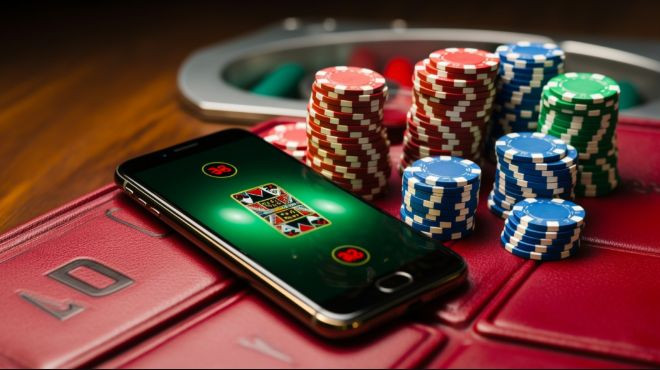
Moreover, the social aspect of gambling can amplify its allure. Many individuals gamble in social settings, where the camaraderie and shared experiences with others create a sense of belonging. This shared excitement can enhance the overall experience, making it more enjoyable and reinforcing the desire to participate again, despite the inherent risks involved.
The Psychology Behind Gambling Addiction
Gambling addiction is a serious issue that stems from various psychological factors. For some, the thrill of winning can trigger the release of dopamine, a neurotransmitter associated with pleasure and reward. This biochemical response can create a cycle of reinforcement, where the individual continues to gamble in hopes of experiencing that same high again. Over time, this can lead to compulsive behavior, where the individual finds it increasingly difficult to resist the urge to gamble, even when faced with negative consequences.
Additionally, cognitive distortions often play a role in gambling addiction. Many individuals develop irrational beliefs, such as the idea that they can control the outcome of a game or that they are “due” for a win after a series of losses. These misconceptions can further entrench the behavior, making it harder for individuals to recognize the harmful effects of their gambling habits.
The Impact of Losses and the Illusion of Control
Losses can significantly impact an individual’s psychological state. Experiencing a loss can lead to feelings of frustration, anger, and even despair. Some individuals may respond to these emotions by doubling down on their bets, believing that they can recover their losses. This cycle can create a dangerous pattern where the hope of regaining lost money leads to even larger losses, ultimately deepening the psychological grip of gambling.
Furthermore, the illusion of control is a prevalent concept in gambling psychology. Many players believe they have the skill or intuition to influence the outcome of games, especially in those that involve strategy, such as poker. This belief can lead to overconfidence and increased risk-taking, further entrenching individuals in their gambling habits and blinding them to the reality of chance.
Debunking Myths Around Gambling
There are numerous myths surrounding gambling that can contribute to misunderstanding its psychological effects. One prevalent myth is the idea that certain gamblers are lucky and others are not. This notion can create unrealistic expectations and may lead individuals to chase losses, thinking that luck will eventually turn in their favor. Such beliefs can perpetuate harmful gambling behaviors, making it essential to address these misconceptions.
Another common myth is that gambling is purely a financial issue. While financial losses are certainly a concern, the psychological effects of gambling are profound and often overshadow the monetary aspect. Understanding that gambling can impact mental health, relationships, and overall well-being is crucial for individuals who are navigating their gambling experiences.

Resources for Responsible Gambling
For those seeking to understand more about gambling and its psychological effects, there are many resources available. Websites often provide valuable information on responsible gambling practices, including tips for setting limits and recognizing signs of problematic behavior. Engaging with these resources can empower individuals to make informed decisions about their gambling habits, promoting a healthier relationship with gaming.
Additionally, many platforms offer support tools and options for players to manage their gambling activities. These features aim to ensure a safe and enjoyable gaming experience, allowing individuals to engage with gambling in a manner that prioritizes their mental health and well-being.